
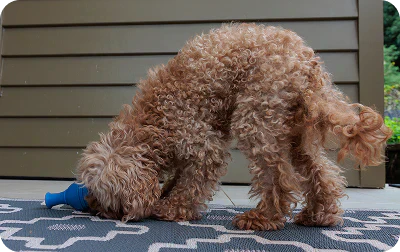
Dogs are deeply social animals, hardwired to bond with their human families. This strong attachment is one of the most beautiful aspects of living with a dog—but sometimes that bond can become unbalanced. When dogs experience attachment anxiety, they may struggle to cope with time alone, leading to stress for them and frustration for their caregivers.
The good news? With the right understanding and strategies, we can help our dogs build confidence, independence, and emotional security. Importantly, much of this comes down not only to what we teach our dogs but also to how we as humans behave and interact with them.
What is Attachment Anxiety in Dogs?
Attachment anxiety—often referred to as separation anxiety—occurs when a dog becomes overly dependent on their human and panics when left alone. Signs can include:
● Whining, barking, or howling when you leave.
● Destructive chewing or scratching at doors and windows.
● Pacing, drooling, or trembling.
● In severe cases, self-injury or attempts to escape.
At its core, attachment anxiety isn’t about disobedience. It’s a stress response rooted in fear and insecurity.
Why Human Behavior Matters
While early experiences, genetics, or trauma can influence a dog’s tendency toward anxiety, our behavior as caregivers is one of the most powerful contributing factors. Many dogs develop separation issues not because of neglect, but because of well-meaning but unbalanced human interactions.
Here are some common human habits that unintentionally fuel attachment anxiety:
1. Constant Togetherness
Some owners never let their dogs experience short, healthy periods of independence. Over time, the dog learns that being alone is unusual or unsafe.
2. Inconsistent Routines
Dogs thrive on predictability. When feeding times, walks, or departures are random or chaotic, dogs can feel unsettled and cling harder to their humans.
3. Emotional Reinforcement of Anxiety
If a dog cries as you leave and you return to soothe them, you may unintentionally reward the anxious behavior. Likewise, dramatic goodbyes or overjoyed reunions can make departures and arrivals emotionally intense.
4. Human Anxiety Mirroring
Dogs are emotional mirrors. If we feel guilty, stressed, or rushed when leaving, our dogs often pick up on it and respond with their own anxiety.
By reflecting on our own patterns, we can reshape the environment to help dogs feel secure and confident.
How to Prevent and Manage Attachment Anxiety
1. Create Predictable Routines
Dogs feel calmer when they know what to expect. Consistent mealtimes, walks, and bedtime routines build a sense of safety. If your schedule is unpredictable, anchor your dog’s day around consistent rituals like morning exercise and evening feeding.
2. Normalize Alone Time
Start small. Leave your dog in a safe space for just a few minutes while you step outside. Gradually extend the time apart. The goal is to teach them that your absence is normal and that you’ll always return.
Pro tip: Use a cue, such as dropping your keys in a bowl, that signals you’ll be leaving but pair it with calm energy—no drama, no stress.
3. Encourage Independence
Independence is a skill. Avoid letting your dog follow you constantly from room to room. Instead, encourage them to relax on their bed while you move around. Reward calm independence with praise or a chew toy.
4. Avoid Reinforcing Anxiety
If your dog whines or panics as you grab your coat, resist the urge to shower them with sympathy. Instead, remain calm and neutral. Save affection for when they’re relaxed. This teaches them that calmness—not anxiety—earns attention.
5. Practice Low-Key Departures and Returns
Keep comings and goings neutral. Quietly leave without lengthy goodbyes, and when you return, wait until your dog is calm before greeting them. This helps prevent emotional spikes that feed the anxiety cycle.
6. Provide Mental and Physical Enrichment
A tired, stimulated dog is less likely to stress when left alone. Daily exercise, puzzle feeders, and scent games give your dog a job to focus on. Interactive toys that release food slowly can keep them occupied during absences.
7. Build a Safe, Comfortable Space
Create a calm zone—like a crate or a quiet room—where your dog feels secure. Fill it with their bed, safe chew toys, and perhaps a worn item of your clothing for comfort. Over time, this space becomes a reassuring sanctuary.
8. Manage Your Own Energy
Our dogs are experts at reading us. If you project calm confidence during departures, they’re more likely to feel secure. Work on your own feelings of guilt or worry, and remember that fostering independence is an act of love.
When to Seek Professional Help
Not all attachment anxiety can be solved at home. If your dog’s stress is severe or persists despite your efforts, it may be time to bring in support. A certified dog trainer, behaviorist, or veterinarian can help develop a tailored plan, sometimes involving desensitization programs or even medication in extreme cases.
The Human–Dog Partnership Perspective
At the heart of attachment anxiety is the human–dog partnership. Our role isn’t to make our dogs dependent on us—it’s to empower them to feel safe, balanced, and capable in the world.
Think of it this way: A secure dog is like a secure child. They love their caregiver deeply but are confident enough to explore the world, knowing that their safe base will always be there.
When we, as humans, take responsibility for:
● Setting routines,
● Avoiding emotional reinforcement of stress,
● Projecting calm confidence, and
● Supporting independence,
…we give our dogs the greatest gift: emotional resilience.
Conclusion
Attachment anxiety can be a heartbreaking challenge, but it is not inevitable. By reflecting on our own behaviors and creating an environment where independence is celebrated, we can prevent and reduce this common issue.
Remember, dogs don’t just learn from training—they learn from how we live with them. Every routine, every interaction, every emotional signal we give shapes their sense of safety.
When we commit to a dog-first, human-educated approach, we create a partnership built not on dependence, but on mutual trust and security. And that’s the foundation for a truly balanced, joyful life together.
Key Takeaway: Avoiding attachment anxiety is not just about teaching dogs to be okay alone—it’s about teaching humans to provide the structure, balance, and calm energy that help dogs thrive.
Share:
The Power of Enrichment: Why It’s Essential for Every Dog’s Daily Life
Avoiding Anxiety in Dogs: Building Confidence Through Relationship and Enrichment