
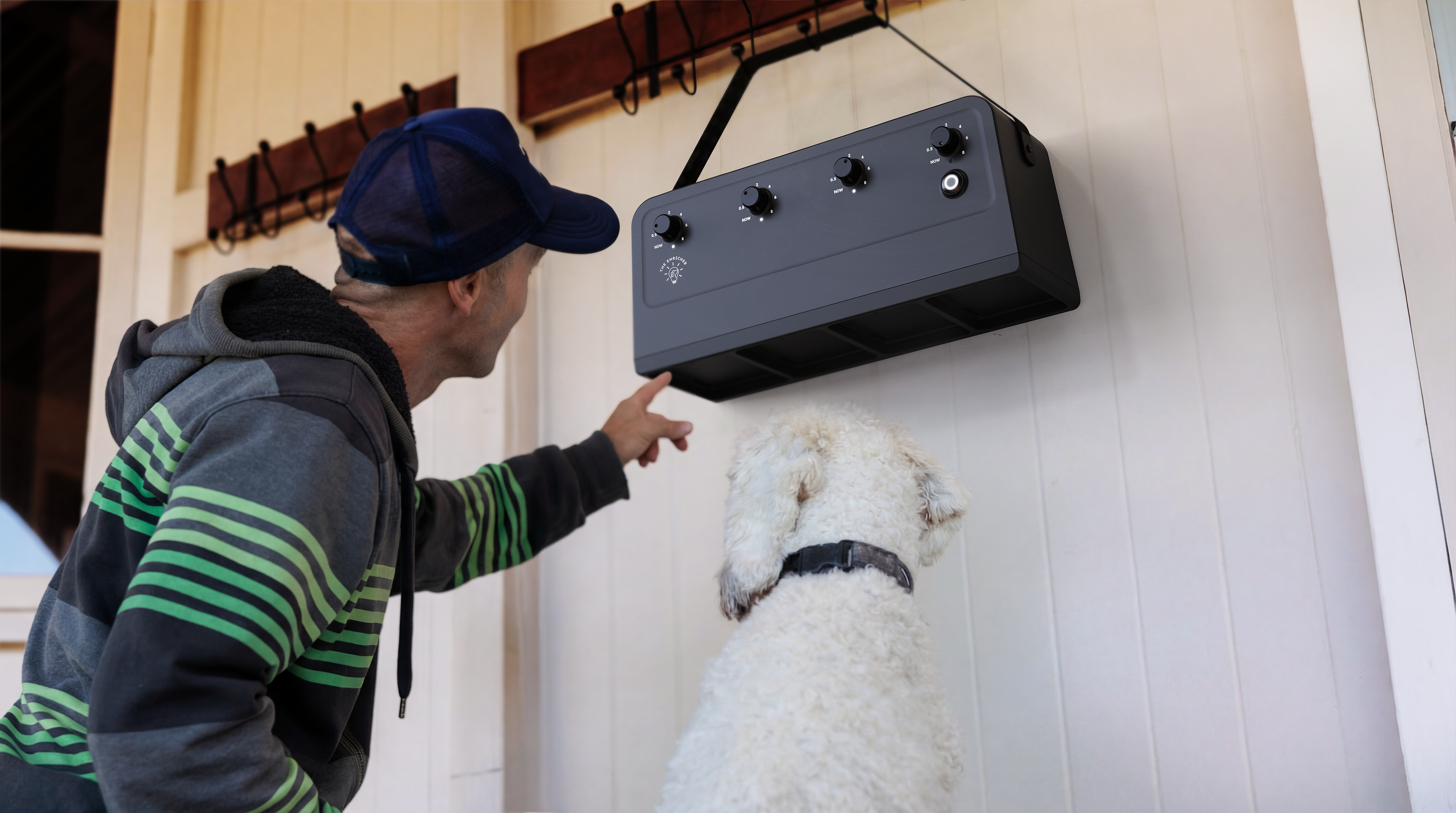
The Power of Enrichment: Why It’s Essential for Every Dog’s Daily Life
As a dog behaviour specialist, I’m often asked what the single most important thing is that people can do to improve the lives of their dogs. While training and nutrition are crucial, I always return to one often-underestimated concept: enrichment.
Enrichment isn’t just about keeping dogs busy. It’s about meeting their instinctive needs, stimulating their minds, supporting their emotions, and giving them a sense of purpose in the human world they live in. In this blog, we’ll unpack what enrichment truly means, why it’s essential for your dog’s physical, mental, and emotional wellbeing, and how it can deeply benefit you as their carer, too.
What Is Enrichment?
At its core, enrichment is about enhancing your dog’s environment and experiences to encourage natural behaviours such as sniffing, chewing, exploring, problem-solving, and playing. Enrichment can be delivered through a wide range of activities—from puzzle toys and scent games to foraging walks, training challenges, interactive play, and even structured rest and calm time.
Dogs don’t just want enrichment—they need it.
Physical Benefits
● Burns Energy in Healthy Ways: Active enrichment such as tug games, hide-and-seek, or agility-based challenges provide low-impact ways for dogs to release energy—essential for both young, high-drive dogs and older dogs who still need movement in a measured way.
● Supports Physical Health: Activities like foraging or chewing on safe toys help strengthen muscles, promote joint mobility, and support oral hygiene.
● Prevents Destructive Behaviour: Dogs lacking physical outlets may redirect their energy into chewing furniture, barking excessively, or digging—signs of unmet needs, not misbehaviour.
Mental Benefits
● Cognitive Stimulation: Dogs are intelligent creatures. When we offer tasks that challenge their brains—like solving puzzles or learning new tricks—we keep their minds agile and engaged.
● Reduces Boredom-Related Stress: Mental stagnation can cause anxiety and low mood in dogs. A mentally enriched dog is more settled, less prone to repetitive behaviours, and far more adaptable to change.
● Builds Problem-Solving Confidence: Dogs that engage in independent thinking build confidence, which supports their ability to cope in unfamiliar or changing environments.
Emotional Benefits
● Promotes Calmness and Balance: Regular enrichment helps regulate the nervous system, making dogs less reactive and more emotionally balanced throughout the day.
● Strengthens the Human-Animal Bond: Shared enrichment activities like training, scent games, or calm enrichment walks deepen trust and communication between dogs and their carers.
● Provides Predictability and Purpose: Just like us, dogs thrive on routine. When enrichment becomes a predictable part of their day, they feel secure, valued, and safe.
The Flow-On Effects for Carers
When a dog’s enrichment needs are met, the benefits extend far beyond the dog themselves.
● Easier to Live With: Enriched dogs are calmer, more focused, and more responsive. They settle more easily at home, listen better, and are far less likely to exhibit frustration-based behaviours.
● Reduces Caregiver Stress: Behavioural issues can place enormous stress on carers. Enrichment is a preventative tool—supporting both behavioural wellness and a more harmonious home.
● Strengthens the Relationship: Meaningful shared time builds connection. As a carer, seeing your dog solve a problem, show independence, or relax into calm confidence brings deep satisfaction.
● Supports Shared Routine: Enrichment adds rhythm and structure to your day. For carers who may also be navigating busy lives or mental health challenges, this structure can be mutually regulating.
Making Enrichment a Daily Habit
The key is consistency and variety. You don’t need to spend hours each day, but a little thoughtful enrichment goes a long way. Try:
● Rotating different types of toys or puzzle feeders
● Offering scent-based games in the yard or on walks
● Incorporating short, focused training games
● Creating “sniff zones” with treats or toys in blankets or boxes
● Providing calm chewing time after meals or walks
● Encouraging independence with safe solo activities
Remember: the goal isn’t to wear your dog out—it’s to fulfil them.
Final Thoughts
When we start thinking about dogs not just as pets, but as intelligent, emotional beings with complex needs, enrichment becomes more than a luxury—it becomes an ethical obligation. The good news? It’s also immensely rewarding for us as carers.
Enrichment doesn’t just improve behaviour—it transforms relationships, strengthens bonds, and helps dogs live lives that are not only safe, but deeply satisfying.
And if you’re wondering where to start, begin with one small daily change. Your dog will thank you—and you’ll feel the difference too.
Share:
How Enrichment Can Help Prevent Cognitive Decline in Dogs
How to Avoid Attachment Anxiety in Dogs: A Human–Dog Partnership Guide