
Anxiety in dogs is a topic that’s receiving more attention than ever, and for good reason. Many dog owners are quick to assume that their pets are experiencing anxiety, often thinking that medication is the only solution. While medication certainly has its place in some cases—and I’ve personally seen dogs benefit from it to manage specific challenges—it’s not always necessary. In fact, many mild levels of stress, nervousness, and anxiety can be avoided entirely with thoughtful planning, consistent guidance, and the right relationship-building strategies.
The first and most crucial factor in preventing anxiety is the relationship we build with our dogs. The bond between a dog and their human is fundamental, and it directly shapes how confident, independent, and well-adjusted a dog becomes. A healthy relationship doesn’t revolve solely around the dog and the owner. Instead, it considers the broader world the dog experiences, the challenges they may face, and the safe boundaries within which they can explore and learn.
When we focus on building a relationship that promotes confidence and independence, we give dogs the tools to navigate the world without becoming overly dependent on us for emotional stability. Dogs that are overly reliant on their humans for comfort or guidance often develop heightened sensitivity to separation, unfamiliar environments, or new experiences. By contrast, dogs that have had the chance to learn that the world is predictable, manageable, and safe tend to approach life with curiosity rather than fear.
Socialization is a key component of this process. Many people misunderstand socialization, thinking it’s simply about teaching dogs to interact politely with other dogs or humans. In reality, socialization is about helping your dog navigate their entire environment with confidence. It’s about exposing them to new experiences, sounds, objects, and situations in a controlled, positive, and gradual way.
A well-socialized dog is less likely to become anxious when encountering something unfamiliar. For instance, a dog that has been thoughtfully exposed to people wearing hats, high-visibility clothing, or using wheeled objects like trolleys and skateboards is far less likely to react with fear or stress. Socialization is not about overwhelming your dog; it’s about creating opportunities for them to learn and grow in a way that respects their pace and temperament.
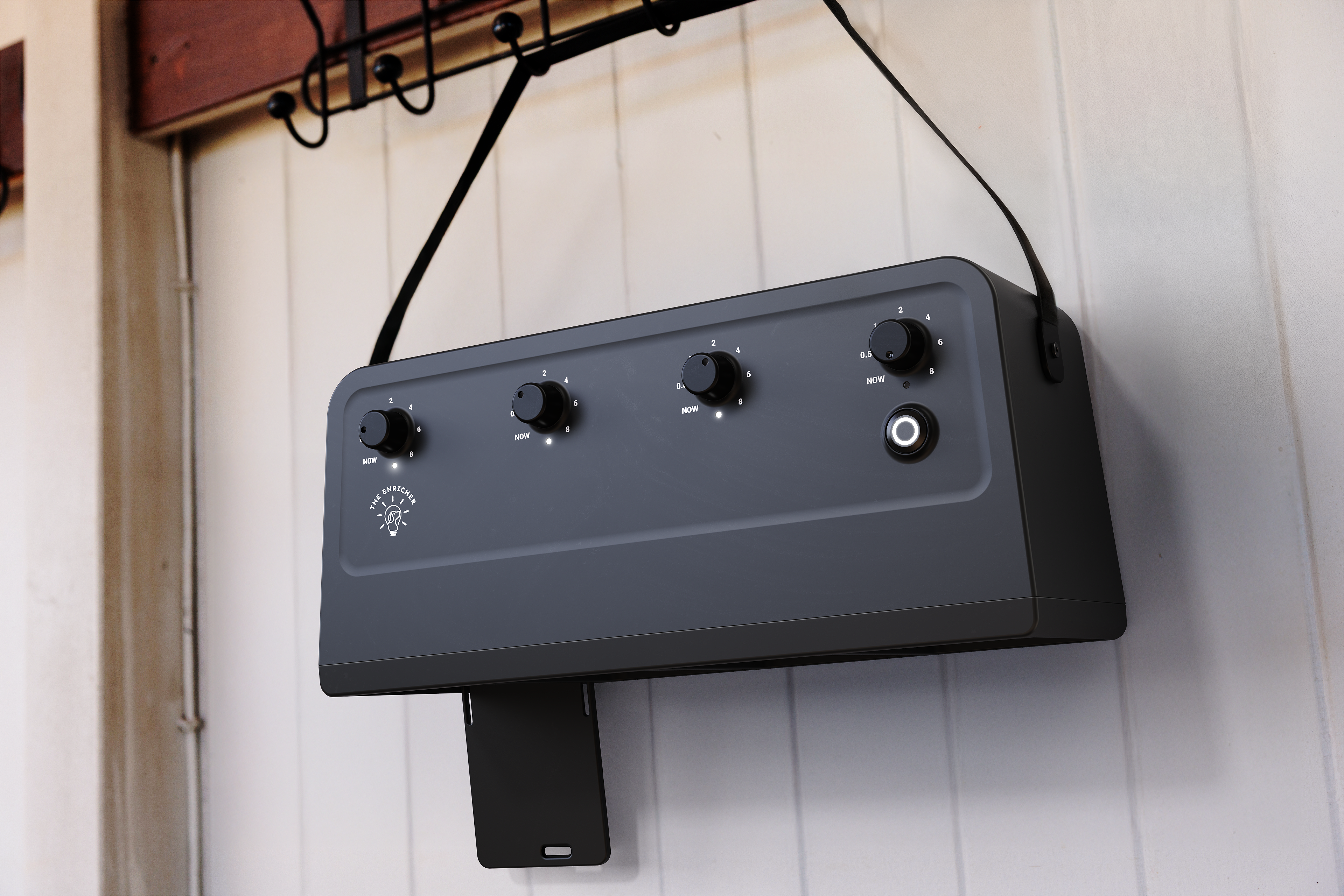
Equally important in preventing anxiety is enrichment. Dogs, like humans, need mental, physical, and emotional stimulation to remain balanced. Without enrichment, dogs may become bored, frustrated, or stressed, which can manifest as nervous behavior, destructive habits, or clinginess. Enrichment can take many forms, from interactive puzzle toys to structured play, training exercises, and activities that encourage problem-solving.
Providing enrichment isn’t just about keeping your dog occupied. It’s about helping them develop confidence, independence, and resilience. When dogs have outlets to express their natural instincts and intelligence in a positive way, they are less likely to experience stress and anxiety. Enrichment also supports emotional well-being, helping dogs feel secure, engaged, and satisfied throughout their day.
If your dog is already showing signs of stress, nervousness, or anxiety, it’s not too late to make positive changes. Introducing enrichment, building independence, and expanding their social experiences can significantly reduce stress levels and help your dog feel more comfortable in their environment. The process may take time and patience, but the benefits are profound. Dogs become more relaxed, adaptable, and better equipped to cope with life’s challenges.
It’s worth noting that the combination of relationship-building, socialization, and enrichment is far more effective than any single approach. Dogs thrive when all three areas are addressed consistently. For example, a dog that receives mental stimulation through enrichment, experiences gradual and thoughtful socialization, and has a confident, supportive relationship with their human will develop a strong foundation for emotional well-being.
Prevention is always better than intervention. By setting your dog up for success from the beginning—through balanced relationship-building, careful socialization, and regular enrichment—you reduce the likelihood of stress and anxiety developing later on. This approach is proactive rather than reactive, focusing on fostering resilience rather than managing symptoms.
Ultimately, the goal is to help dogs live fuller, healthier lives. By prioritizing their emotional, social, and cognitive needs, we give them the opportunity to be confident, independent, and well-adjusted members of our families. Anxiety is not something that needs to define a dog’s life. With thoughtful guidance, patience, and understanding, we can create a world where dogs feel secure, engaged, and happy.
The relationship we build with our dogs sets the stage for every other aspect of their well-being. Coupled with enrichment and socialization, it provides the tools dogs need to navigate their world confidently and calmly. By taking the time to focus on these areas, we not only prevent anxiety but also give our dogs the chance to thrive.
In short, helping your dog avoid anxiety isn’t about quick fixes or reactive measures—it’s about building a life for them that is balanced, engaging, and secure. Start with the relationship, add enrichment, and provide thoughtful social experiences. The results? A dog that is confident, resilient, and equipped to enjoy life to its fullest.
Share:
How to Avoid Attachment Anxiety in Dogs: A Human–Dog Partnership Guide